


Como cliente Amazon Prime obtén 3 meses de Audible gratis
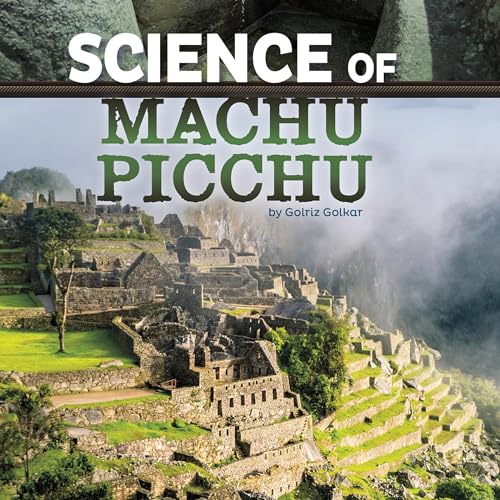
Science of Machu Picchu
The Science of History
No se ha podido añadir a la cesta
Solo puedes tener 50 títulos en tu cesta para poder pagar.
Vuelve a intentarlo más tarde
Vuelve a intentarlo más tarde
Error al eliminar la lista de deseos.
Vuelve a intentarlo más tarde
Se ha producido un error al añadirlo a la biblioteca
Inténtalo de nuevo
Se ha producido un error al seguir el podcast
Inténtalo de nuevo
Error al dejar de seguir el podcast
0,00 € los primeros 30 días
Ahorros de temporada
0,99 € al mes durante los primeros 3 meses
Oferta válida hasta el 28 de diciembre de 2026.
Después de los 30 días, 9,99 €/mes. Cancela tu siguiente plan mensual cuando quieras.
Ahorra más del 90% en tus primeros 3 meses.
Escucha todo lo que quieras de entre miles de audiolibros y Originals incluidos.
Descarga tu audiolibro y escucha offline, sin interrupciones
Se renueva automáticamente por 9,99 €/mes después de 3 meses. Cancela mensualmente. La oferta termina el 28 de diciembre de 2026.
Disfruta de forma ilimitada de este título y de una colección con 90.000 más.
Escucha cuando y donde quieras, incluso sin conexión.
Sin compromiso. Cancela tu siguiente plan mensual cuando quieras.

Science of Machu Picchu
Narrado por:
uncredited
Compra ahora por 5,00 €
-
Narrado por:
-
uncredited
-
De:
-
Golriz Golkar
Have you ever heard of Machu Picchu? It’s an ancient citadel high in the mountains of Peru. Science played a big role in the building of Machu Picchu and the daily life of the Inca people who lived there. Find out the science behind Machu Picchu. Discover how modern technology is being used to uncover more mysteries of this ancient place.
©2022 Golriz Golkar (P)2024 Capstone Press
adbl_web_anon_alc_button_suppression_t1
Reseñas de la crítica
Each title explores a wide range of scientific principles that apply to these historic locations and events. The incredible stonemasonry of Machu Picchu, the speed and flexibility of Viking longships, and the use of celestial navigation on the Underground Railroad are all explored. Cotton gins, telegraphs, and aqueducts played a part in historical events, while DNA analysis, satellite imagery, and submersibles are used to uncover new details. Maps, diagrams, photos, and other images help to bring it all to life for readers. Additional supports include sidebars, captions, a glossary, and suggested books and websites for further reading. VERDICT An excellent way to interest history-lovers in science, or vice versa, and to expand existing collections. (Suzanne Costner, Fairview Elementary School, TN)
No hay reseñas aún


