Prime Day

Como cliente Amazon Prime obtén 3 meses de Audible gratis
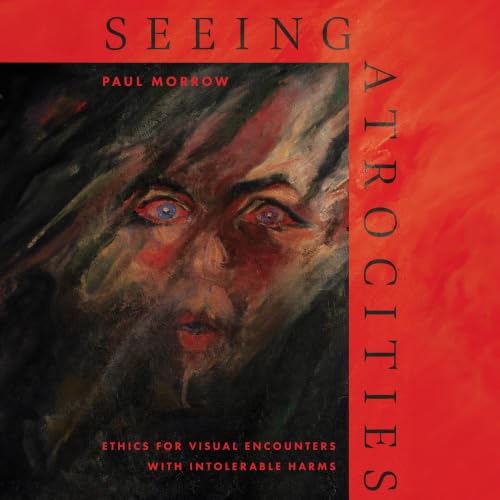
Diseño de la portada del título Seeing Atrocities

Seeing Atrocities

Ethics for Visual Encounters with Intolerable Harms

Muestra

Escúchalo ahora gratis con tu suscripción a Audible

Prueba gratis durante 30 días
Después de los 30 días, 9,99 €/mes. Cancela tu siguiente plan mensual cuando quieras.
Disfruta de forma ilimitada de este título y de una colección con 90.000 más.
Escucha cuando y donde quieras, incluso sin conexión.
Sin compromiso. Cancela tu siguiente plan mensual cuando quieras.

Seeing Atrocities

De: Paul Morrow
Narrado por: AI Voice Audovia Michael Vincent
Prueba gratis durante 30 días

Después de los 30 días, 9,99 €/mes. Cancela cuando quieras.

Compra ahora por 16,99 €

Compra ahora por 16,99 €

Background images

Este título utiliza una réplica de voz de narrador

Una réplica de voz es una voz generada por ordenador creada por un narrador para que suene como su voz.
In the 21st century, it is impossible to avoid seeing atrocities. Pictures of grievous death populate the pages of newspapers and aggregators almost daily. Billboards and banner ads for humanitarian organizations routinely feature scenes of famine and forced displacement. With the spread of social media, our closest friends and relatives have become key sources of visual encounters with intolerable harms. Seeing Atrocities explains what we stand to gain from such encounters, and supplies crucial tools for navigating them. Images--from photographs and films to children's drawings and VR-renderings--convey vital information about causes and culpability for atrocities. At the same time, images increasingly serve as vectors for mis- and disinformation, fueling conspiracy theories and inspiring acts of violent extremism. Whether in the classroom or the courtroom, the museum or the living room, the stakes of visual encounters with atrocities are substantial. So too are the risks of misjudging them. By showing what it means to see atrocities as atrocities, Paul Morrow forges new links between ethics, political philosophy, and the philosophy of perception. By surveying a broad range of visual encounters with atrocities, he aids lawyers, journalists, and educators in their efforts to teach, report on, or adjudicate such harms. Finally, by proposing specific norms for seeing, sharing, and exhibiting atrocities, he addresses moral questions confronting every reader in our globally connected world.
adbl_web_anon_alc_button_suppression_t1
No hay reseñas aún
