


Como cliente Amazon Prime obtén 3 meses de Audible gratis
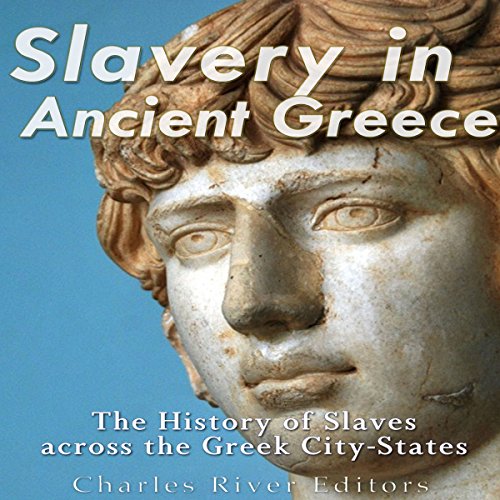
Slavery in Ancient Greece
The History of Slaves Across the Greek City-States
No se ha podido añadir a la cesta
Error al eliminar la lista de deseos.
Se ha producido un error al añadirlo a la biblioteca
Se ha producido un error al seguir el podcast
Error al dejar de seguir el podcast
Escúchalo ahora gratis con tu suscripción a Audible

Slavery in Ancient Greece
Compra ahora por 6,99 €
-
Narrado por:
-
Ken Teutsch
Slavery was a universal and totally accepted feature of ancient Greek society, so much so that while the conditions under which slaves lived and worked varied considerably, many ordinary citizens kept at least one slave, often working alongside their owners, while larger commercial enterprises involved huge numbers, many of whom could rise to positions of authority and wealth. It was possible for some slaves to buy their freedom, while others lived and died in conditions of appalling brutality, notably in the silver mines at Laurium. The revenues from these mines paid for the fleet with which Athens defeated Xerxes and were the basis of the Attic owls, the four drachma coins that revolutionized the Athenian economy. The mines were often leased to contractors and worked by slaves and condemned criminals. The galleries averaged approximately three and a half feet in height, so most miners had to work on their hands and knees. Another specific group of slaves that suffered particularly brutal treatment was the pornai, slaves used in the brothels as prostitutes.
While those sound like the conditions of slavery people are accustomed to hearing about in more modern times, other forms of slavery in Greece were quite unique, and perhaps fittingly, Sparta might have had the most unusual system of all. Sparta will forever be known for its military prowess, but the importance the Spartans placed upon being a warrior society meant their way of life was entirely dependent on a class of indentured servants known as the helots. The Spartans needed the helots to maintain the domestic front, but they also frequently brought helots to the battlefield with them, and they repeatedly had to turn their own hoplites on unruly helots to suppress potential rebellions.
As this makes clear, however unpalatable it may be to modern historians who expound on the virtues of the Greek legacy to western civilization, it is indisputably the case that slavery constituted a central part of that legacy. Indeed, slavery underpinned to a large extent the very foundations of the classical Greek way of life.
©2016 Charles River Editors (P)2016 Charles River Editors


