


Como cliente Amazon Prime obtén 3 meses de Audible gratis
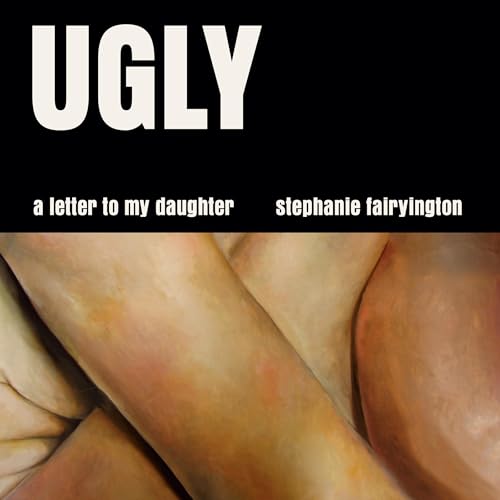
Ugly
A Letter to My Daughter
No se ha podido añadir a la cesta
Solo puedes tener 50 títulos en tu cesta para poder pagar.
Vuelve a intentarlo más tarde
Vuelve a intentarlo más tarde
Error al eliminar la lista de deseos.
Vuelve a intentarlo más tarde
Se ha producido un error al añadirlo a la biblioteca
Inténtalo de nuevo
Se ha producido un error al seguir el podcast
Inténtalo de nuevo
Error al dejar de seguir el podcast
11,89 € los primeros 30 días
Ahorros de temporada
0,99 € al mes durante los primeros 3 meses
Oferta válida hasta el 28 de diciembre de 2026.
Después de los 30 días, 9,99 €/mes. Cancela tu siguiente plan mensual cuando quieras.
Ahorra más del 90% en tus primeros 3 meses.
Escucha todo lo que quieras de entre miles de audiolibros y Originals incluidos.
Descarga tu audiolibro y escucha offline, sin interrupciones
Se renueva automáticamente por 9,99 €/mes después de 3 meses. Cancela mensualmente. La oferta termina el 28 de diciembre de 2026.
Disfruta de más de 90.000 títulos de forma ilimitada.
Escucha cuando y donde quieras, incluso sin conexión
Sin compromiso. Cancela tu siguiente plan mensual cuando quieras.

Ugly
Narrado por:
Stephanie Fairyington
Compra ahora por 16,99 €
-
Narrado por:
-
Stephanie Fairyington
“A rigorous ladyballs-out polemic that also tells the most raw, tender, against-all-odds story of parenthood that I've ever read.” —Mary Gaitskill, author of Veronica
Ugly is a word with fangs that can kill a woman’s self-esteem in one bite. Edicts about how women should look, behave, and think are the brutal forge through which they are made — not born — as Simone de Beauvoir famously argued in The Second Sex. And to defy the pretty imperative is to experience a kind of invisibility. It can be a hard thing to admit to yourself, let alone to your child, to say the words “I am ugly” or “I am seen as ugly.” But early on in her motherhood journey, watching her young daughter begin to wrestle with beauty standards, Stephanie Fairyington felt compelled to face her own demons and to unpack her own ugly self-perception, one that she could trace to her own childhood, in order to conquer this seemingly immoveable frontier, far too taboo even among women to broach: the ways in which women’s lives are unfairly contoured by the nature of their looks.
The multiple iterations of ugliness that Fairyington saw in her young self—her physical appearance, her formative gender dissonance, and obvious lesbianism—are not present in her beautiful and traditionally feminine daughter. But Fairyington’s old feelings of inadequacy take on new meaning as she confronts fresh insecurities around her role as the nonbiological mother in her relationship, exacerbating wounds from a lifetime of being treated differently, from the poverty of her genetic inheritance to questions about her parentage to doubts about the legitimacy of her family.
Interlacing cultural history and analysis with memoir, Ugly is a probing investigation into cultural norms and the formation of our aesthetic sense of self. Fairyington contrasts her so-called ugliness with her daughter’s attractiveness and adherence to beauty ideals, a tender and tenuous condition that her daughter was already walking a tightrope to maintain at age six. By sharing the history of her troubled self-image, Fairyington invites us to go rogue, to invent a new language and logic to overthrow all the ways that women have been cultivated to hate themselves.
adbl_web_anon_alc_button_suppression_t1
No hay reseñas aún


