


Como cliente Amazon Prime obtén 3 meses de Audible gratis
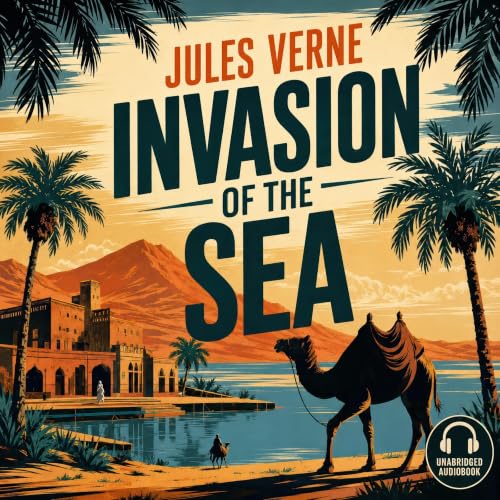
Invasion of the Sea
No se ha podido añadir a la cesta
Solo puedes tener 50 títulos en tu cesta para poder pagar.
Vuelve a intentarlo más tarde
Vuelve a intentarlo más tarde
Error al eliminar la lista de deseos.
Vuelve a intentarlo más tarde
Se ha producido un error al añadirlo a la biblioteca
Inténtalo de nuevo
Se ha producido un error al seguir el podcast
Inténtalo de nuevo
Error al dejar de seguir el podcast
Suscríbete a la prueba gratuita para poder disfrutar de este libro a un precio exclusivo para suscriptores
Después de los 30 días, 9,99 €/mes. Cancela tu siguiente plan mensual cuando quieras.
Disfruta de más de 90.000 títulos de forma ilimitada.
Escucha cuando y donde quieras, incluso sin conexión
Sin compromiso. Cancela tu siguiente plan mensual cuando quieras.

Invasion of the Sea
Narrado por:
AI Voice Charles Owen
Compra ahora por 4,99 €
-
Narrado por:
-
AI Voice Charles Owen
-
De:
-
Jules Verne

Este título utiliza una narración voz virtual
Voz virtual es una narración para audiolibros generada por ordenador.
The plan is audacious: dig a canal from the Mediterranean to the salt depressions of Tunisia and Algeria, creating an inland sea that will transform worthless desert into fertile, navigable territory. French colonial engineers promise prosperity. Progress. Civilization.
Captain Hardigan oversees the work. But as construction advances, Tuareg tribes whose lands will be destroyed mount increasingly desperate resistance. The desert they've inhabited for centuries will vanish beneath French ambition. Their oases will flood. Their way of life will end.
Then an earthquake breaches the canal. Water rushes in catastrophically. The Sahara Sea is born—not through human decision but through nature's intervention. The French claim victory. The Tuareg lose everything. And the question of whether such transformation was ever justified disappears beneath the flood.
Jules Verne's final novel, published posthumously in 1905, anticipates modern debates about geoengineering and massive environmental projects decades before they became reality. Yet it cannot escape its colonial framework: indigenous resistance is portrayed sympathetically but dismissed as futile, and the novel's resolution conveniently sidesteps who had the right to reshape Africa.
From the author of Twenty Thousand Leagues Under the Sea—a prescient warning about playing god with geography, told from an empire's perspective.
adbl_web_anon_alc_button_suppression_t1
No hay reseñas aún


